
TABLE OF CONTENTS
Facebook Page Setup for Supplements
- Create the Right Type of Page
- Complete Your Page Information
- Use Clean, Trust-Building Visuals
- Add a Clear Call-to-Action
- Post Before You Run Ads
Can You Advertise Supplements on Facebook in 2026?
What Are Facebook's Supplement Ad Policies?
- You Cannot Make Medical or Treatment Claims
- No Guaranteed, Fast, or Extreme Results
- No Before-and-After or Shocking Visuals
- You Cannot Call Out Personal Health Issues
- Your Website and Page Are Reviewed Together
- Education and Transparency
How Do You Avoid Facebook Supplement Ad Rejections?
How Do You Launch Supplement Ad Campaigns?
Use the Right Campaign Objective
Build From a Page Facebook Can Trust
Match the Ad to the Landing Page
Which Creatives Convert Best for Supplements?
User-Generated Content Builds Trust
What Targeting Strategies Scale Supplement Facebook Ads?
Use Creative to Do the Targeting
Build Retargeting the Right Way


Share via:
Selling supplements on Facebook the right way prevents your ads from being rejected, your account from being flagged, and your budget from being mismanaged.
The good news is that brands that follow Facebook’s Advertising Guidelines, optimize their Facebook Business Page, and build ads are still making massive returns. The difference is simply how you sell.
In this guide, you’ll learn how to run supplement ads on Facebook in 2026 without getting blocked. We’ll cover the current supplements Facebook ads policy, what Facebook allows (and doesn’t), how to structure a compliant ad campaign, and how you can adapt your approach to Facebook ads for supplements in 2026.
If you want to scale safely and profitably, this guide will show you how to do it the right way.
Facebook Page Setup for Supplements
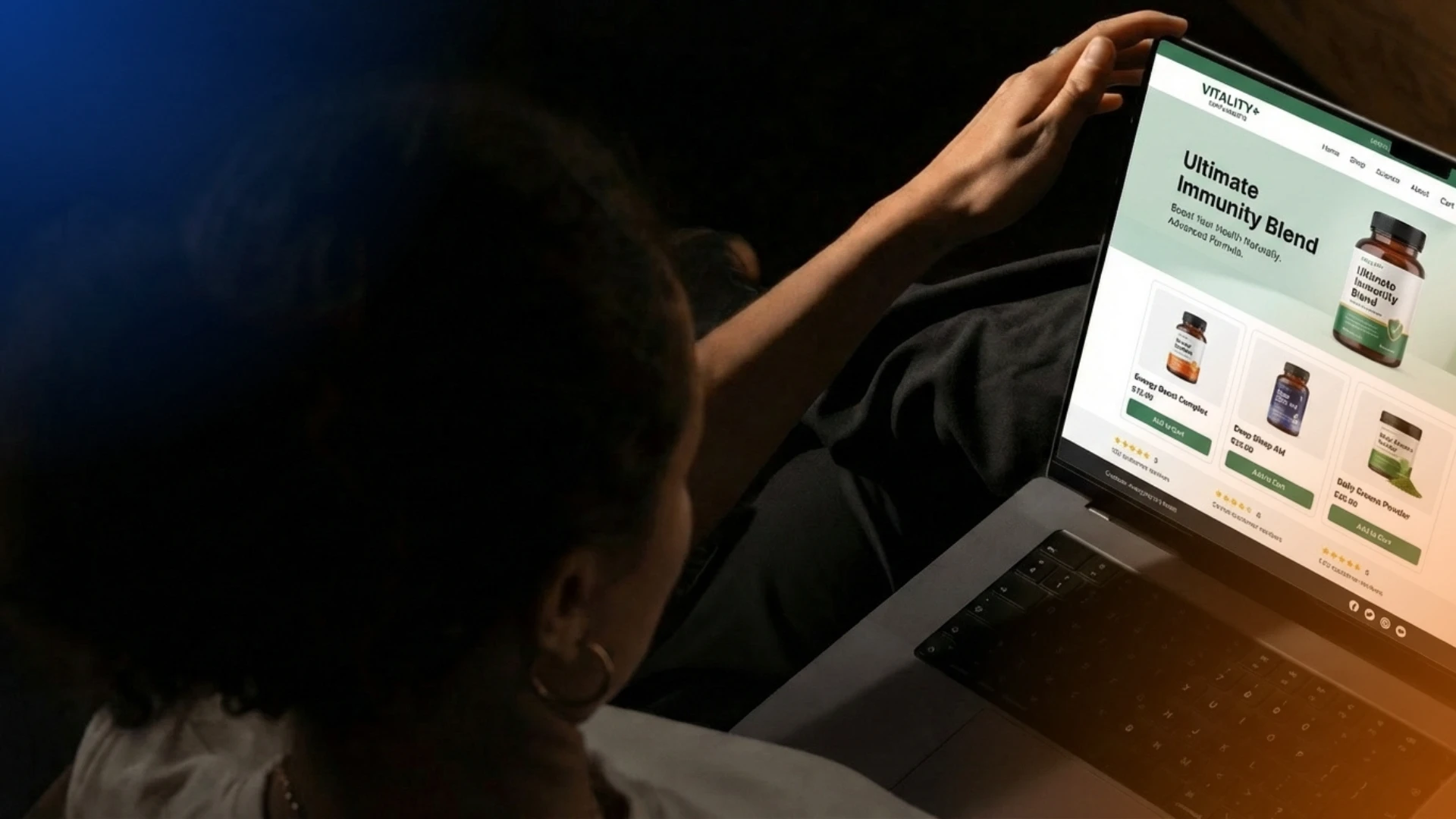
Your Facebook Business Page is your virtual storefront. People click your ad, then check your page to decide if they trust you. If your page is missing key details, your ads will most likely get rejected.
Here’s how you can set up your Facebook Page:
1. Create the Right Type of Page
Your supplement brand must use a Facebook Business Page, not a personal profile. Choose a clear category like:
- Health & Wellness
- Vitamins & Supplements
- Health Product
Your page name should match your brand name exactly. Avoid extra words like “best,” “cure,” or “official.”
2. Complete Your Page Information
Facebook prefers pages that are active. Fill out your:
- Website link
- Business email
- Short brand description
- Location (if you have one)
This helps with Profile Optimization and lowers the risk of ad disapproval.
3. Use Clean, Trust-Building Visuals
Upload:
- A clear logo as your profile photo
- A simple cover image that shows your product or brand message
Avoid before-and-after images or anything that promises fast results. These usually break Facebook’s Advertising Guidelines and can block your ad campaign.
4. Add a Clear Call-to-Action
Set one main button on your page:
- Shop Now
- Learn More
- Message Us
This helps Facebook understand your business goal and improves engagement rate when you start running ads.
5. Post Before You Run Ads
Do not run ads on an empty page. Before you run supplement ads on Facebook, post at least:
- 3–5 normal posts
- Brand story
- Product education (no medical claims)
- Lifestyle or usage content
Having an active page improves trust, click-through rate, and cost-per-click. A strong Facebook Business Page makes it easier to run Facebook ads for supplements in 2026. It also helps Facebook see you as a real brand, not a risky advertiser.
Can You Advertise Supplements on Facebook in 2026?
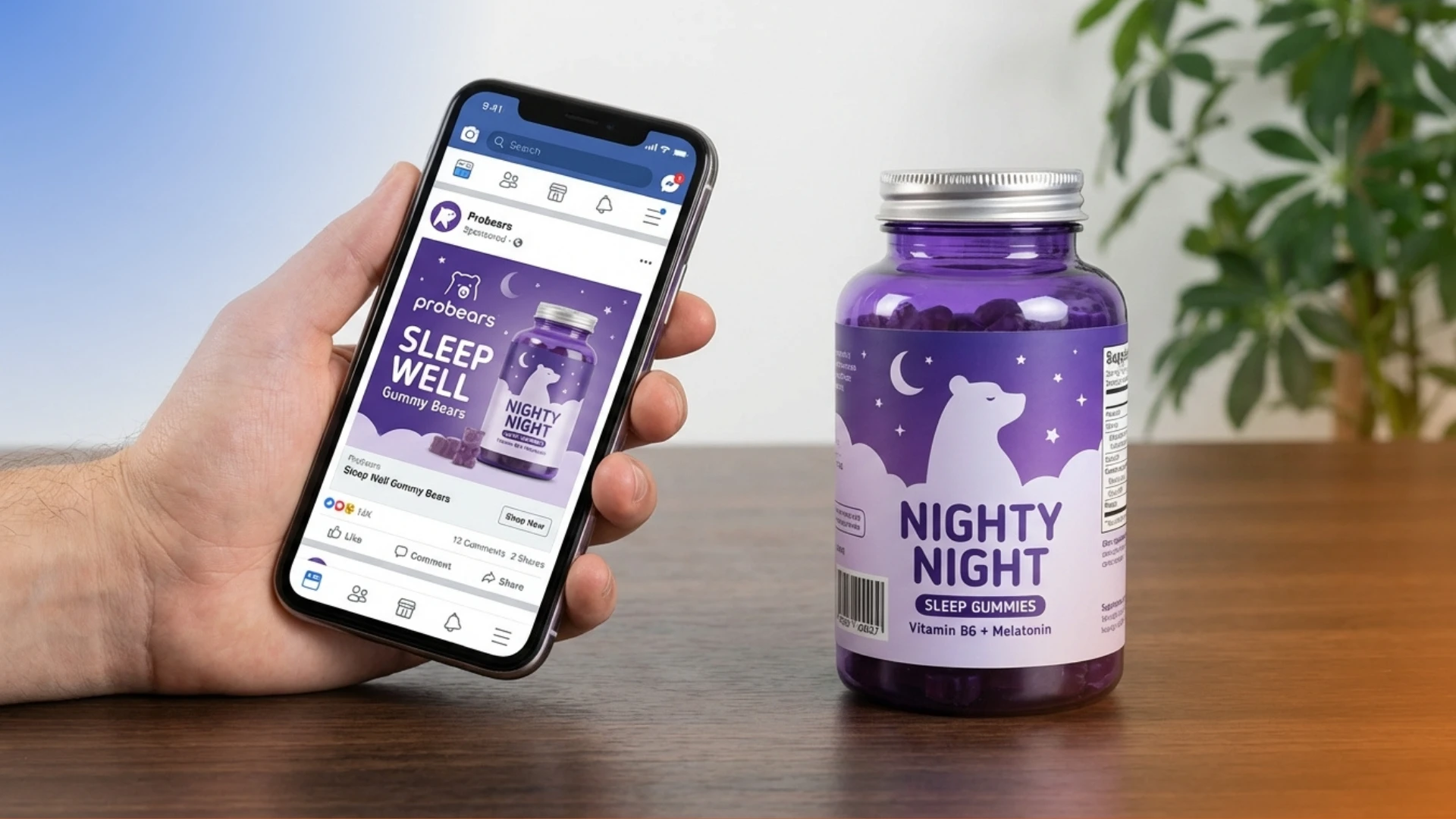
Yes, you can advertise supplements on Facebook in 2026, but only if you follow Facebook’s rules.
Facebook does not ban supplement ads completely. What it bans are claims, formats, and behaviours that break its policies.
Many brands assume Facebook is “against supplements,” when in reality, Facebook is strict about how supplements are marketed.
What Facebook Allows
You are allowed to sell supplements on Facebook if:
- Your product is legal to sell in your target country
- Your website clearly explains what the product is
- Your ads focus on lifestyle, education, or general wellness
- You avoid medical, disease, or guaranteed outcome claims
Facebook wants ads that are helpful. Clean copy and safe messaging make it easier to get approval and keep your ad account healthy.
These rules come directly from Facebook’s Advertising Guidelines and the supplements Facebook ads policy. Breaking them can lead to rejected ads, disabled ad accounts, or worse, permanent bans.
What Are Facebook's Supplement Ad Policies?
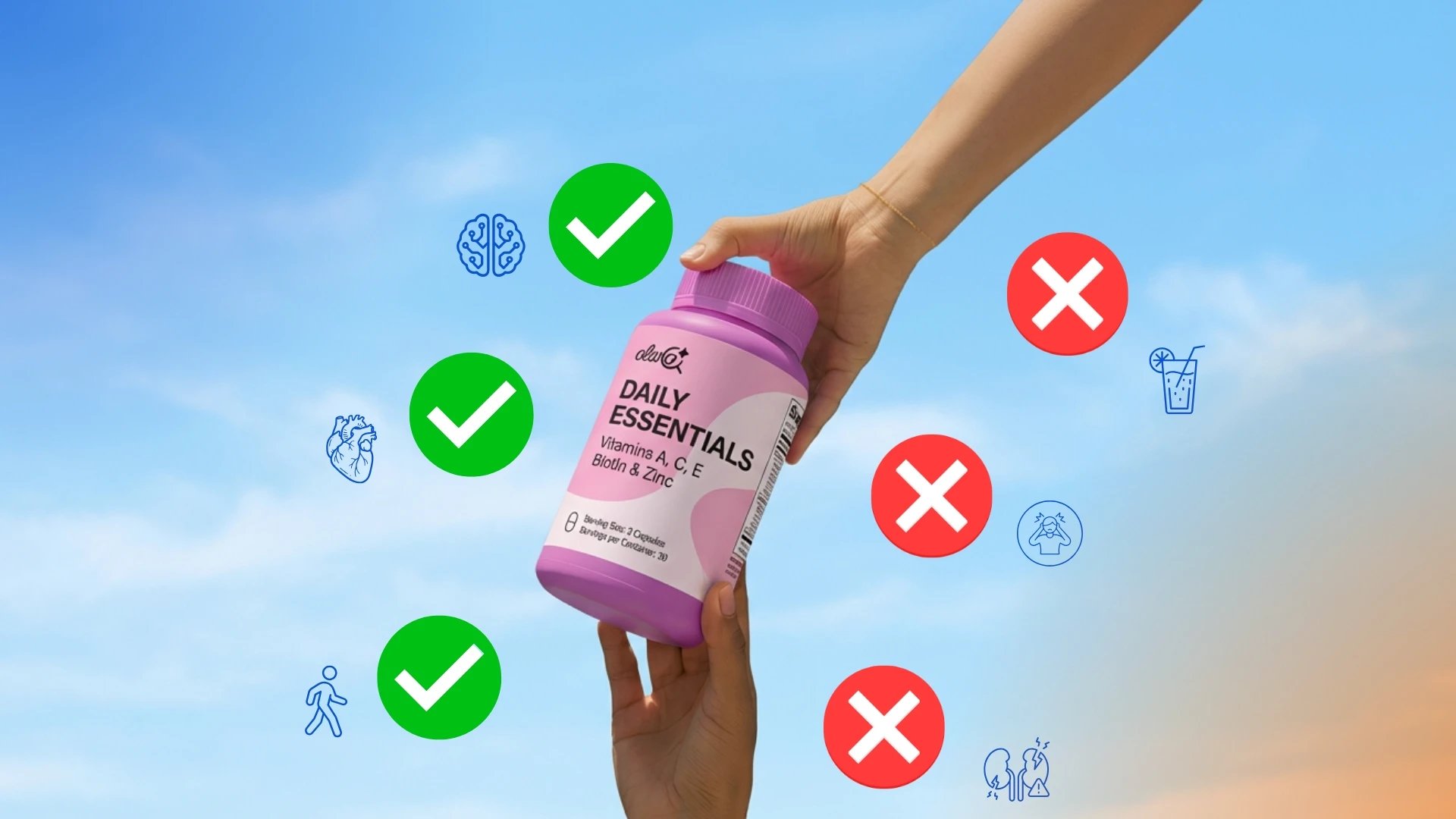
Facebook allows supplement ads in 2026, but they are treated as restricted content. This means Facebook reviews them more closely than normal ads. If you don’t follow the rules exactly, your ads will be rejected, even if your product is legal.
Here are some of the most important Facebook supplement Ad policies:
1. You Cannot Make Medical or Treatment Claims
Facebook does not allow ads that say or suggest your supplement can:
- Cure diseases
- Treat medical conditions
- Replace medication
- Prevent illness
Even indirect claims can get rejected. For example, saying a product “fixes joint pain” or “lowers blood sugar” is not allowed.
What is allowed is general wellness language, such as supporting daily nutrition or healthy routines.
2. No Guaranteed, Fast, or Extreme Results
You cannot promise:
- Guaranteed outcomes
- Fast transformations
- “Proven” results for everyone
This applies to your ad copy, images, headlines, and landing pages. Facebook sees these claims as misleading, especially for supplements.
This rule is one of the most common reasons Facebook ads for supplements in 2026 get blocked.
3. No Before-and-After or Shocking Visuals
Facebook does not allow:
- Before-and-after photos
- Images showing extreme body changes
- Visuals that pressure or shame users
You have to stick to clean product photos, lifestyle images, and brand visuals. These are safer and perform better long term.
4. You Cannot Call Out Personal Health Issues
Your ads cannot suggest that the viewer:
- Has a health condition
- Is overweight, sick, or deficient
- Needs your product to “fix” themselves
Even wording like “Struggling with low energy?” can trigger review issues. Facebook protects users from ads that feel personal or invasive.
5. Your Website and Page Are Reviewed Together
Facebook does not judge your ad alone. It also checks:
- Your Facebook Business Page
- Your landing page
- Product descriptions
- Overall brand transparency
If your website makes banned claims, your ad campaign will still be rejected, even if the ad copy complies with all ad rules.
6. Education and Transparency
According to brands advertising successfully today, Facebook prefers:
- Educational messaging
- Clear product explanations
- Honest branding
- Pages that look complete and active
This is why page setup and Profile Optimization are important before you run supplement ads on Facebook.
Keep in mind that following the supplements Facebook ads policy is not about limiting your growth. It’s about protecting your ad account, keeping your ads running, and scaling without constant rejections.
How Do You Avoid Facebook Supplement Ad Rejections?
If you’ve ever had an ad disapproved and thought, “But I didn’t say/do anything wrong,” well, it’s because Facebook looks at intent, and not just your words.
Here’s how you can avoid rejections in 2026:
- Write Like You’re Explaining, Not Convincing: Facebook is more comfortable with ads that explain what a product is, rather than those that try to push results. So, instead of trying to sell the outcome, focus on the product itself. What is it? Who is it for? How does it fit into a daily routine?
- Be Careful With “Normal” Marketing Words: A lot of common marketing language now triggers reviews. Words like fix, boost, treat, or guaranteed might seem harmless, but they can lead to rejections. When in doubt about the language to use, soften your tone. General wellness is always better than bold promises
- Keep Your Images Boring (On Purpose): This might sound strange, but it works. Product photos, simple lifestyle shots, and boring visuals get approved more often than dramatic creatives. Before-and-after images or aggressive visuals are still one of the fastest ways to get blocked
- Make Sure Your Website Doesn’t Undo Your Ad: Even if your ad copy meets all the policies, Facebook will still check your landing page. If your website makes strong claims, uses medical language, or promises results your ad doesn’t mention, the ad can still be rejected. Your ad and your page need to tell the same story
- Don’t Rush Ads on a Brand-New Page: Running ads from an empty or inactive Facebook Business Page is risky. Post a few times first. Share your brand story. Explain your product in plain language. Show that you’re a real business, not a quick ad account trying to make a fast sale
Our #1 advice is to stop trying to beat the system. Instead, try to stay in it. When you focus on clarity, consistency, and compliance, you get more ad approvals, your performance stabilizes, and your account remains secure.
How Do You Launch Supplement Ad Campaigns?
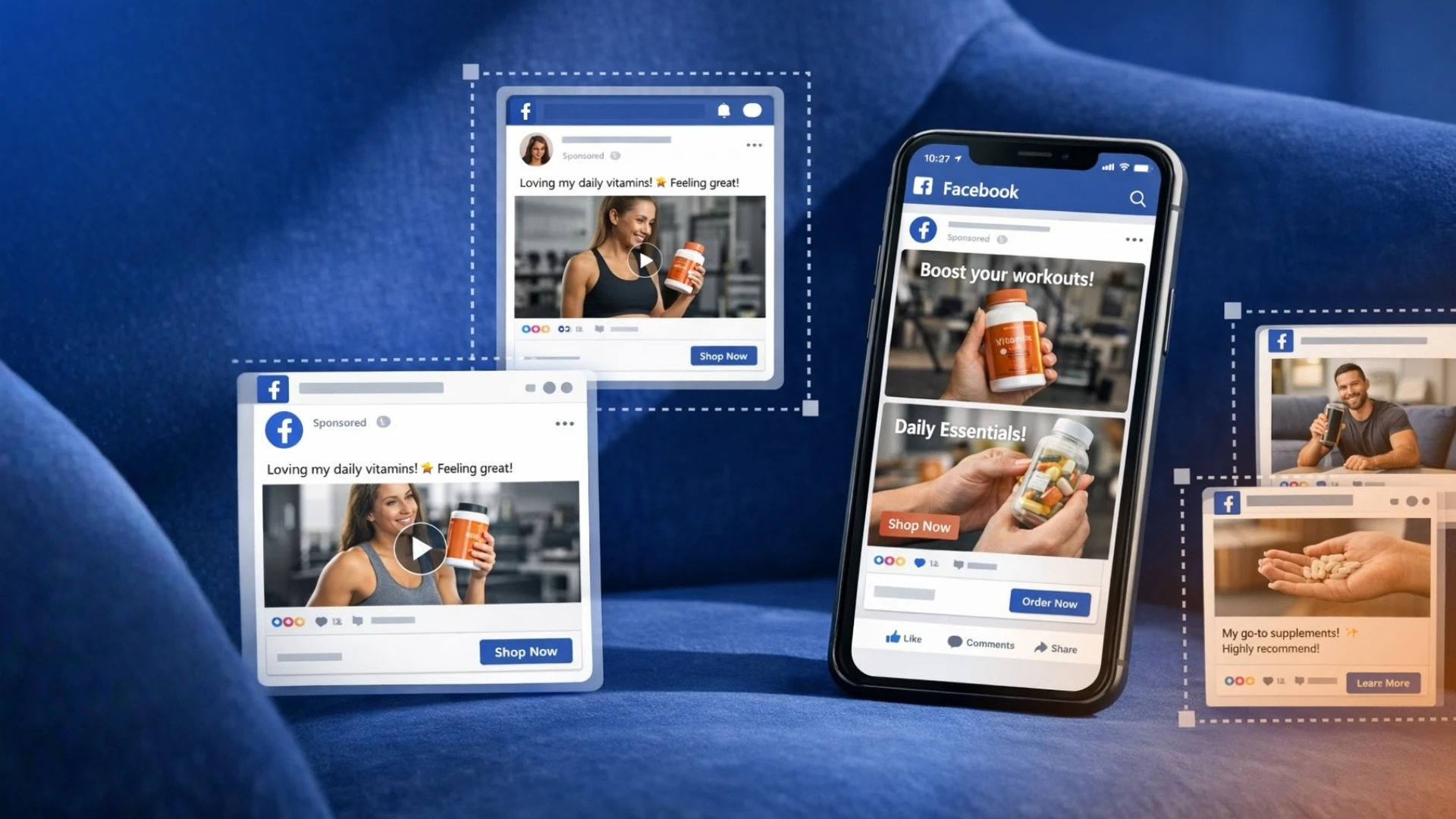
Here’s how successful brands launch supplement ad campaigns without burning their ad accounts or budgets.
Start With One Clear Goal
Every ad campaign needs a single job. If you don’t decide this first, Facebook will guess, and it usually guesses wrong.
Ask yourself: What do I want this campaign to do right now?
For supplement brands, this usually means:
- Introducing the product to new people
- Sending traffic to an education or product page
- Retargeting people who already showed interest
Trying to sell, educate, and retarget in one campaign creates messy data and weak results. Clear intent leads to higher engagement and click-through rates.
Use the Right Campaign Objective
When you create a campaign in Facebook Ads Manager, choose an objective that matches your goal:
- Traffic for early testing or education pages
- Sales if your pixel and website are ready
- Leads if you’re collecting emails before selling
If your website is new or your pixel is not well-trained, jumping straight to “Sales” can completely ruin your performance. Many supplement brands start with Traffic or Engagement to warm up the account and audience before pushing conversions.
This is the best approach if you’re new to selling supplements on Facebook or launching a new product.
Build From a Page Facebook Can Trust
We’ve emphasized this earlier.
Before the ad even runs, Facebook looks at your Facebook Business Page. If your page has:
- No posts
- No clear brand description
- No history
You’re already at a disadvantage.
Post a few times before launching ads. Explain what your supplement is, who it’s for, and how it fits into a daily routine. This makes your brand look real and reduces the chance of reviews or sudden ad stops.
Match the Ad to the Landing Page
Facebook doesn’t stop caring after the click. Your landing page must:
- Match the ad message
- Explain the product clearly
- Avoid medical or exaggerated claims
- Look clean and trustworthy
And then after you launch, resist the urge to change everything in the first 24 hours. Facebook needs time to learn.
Watch out for the following:
- Are people clicking?
- Are they staying on the page?
- Is the cost per click good?
It’s always best to make small adjustments over a few days rather than constantly resetting.
Which Creatives Convert Best for Supplements?
So, here’s a trick: If your creative looks like an ad, people will certainly scroll past it. But if it looks like something they’d see from a real brand, they’d stop and click.
Here are the top types of creatives that convert best for supplement brands.
Product-First Creatives
If someone can’t tell what you’re selling in the first second of seeing your ad, they won’t click.
Use clear photos of the bottle, packaging, or supplement format. Also, try your best to avoid clutter. Simply use: one product, a clean background, and a clear branding.
Lifestyle Content
Lifestyle creatives show the supplement in use in real life:
- On a kitchen counter
- In a gym bag
- Part of a morning routine
These images are natural and non-aggressive. They also align better with Facebook’s Advertising Guidelines, which helps reduce ad rejections and keeps your campaigns running for longer periods.
Short, Calm Videos
You don’t need high-production videos. Create simple videos such as:
- Someone holding the product
- A quick routine clip
- Text overlays explaining what the supplement is for
Keep your videos short and slow. Avoid dramatic claims or fast cuts.
User-Generated Content Builds Trust
User-generated content (UGC) is among the top-performing content formats for supplements.
The UGC creator should talk about:
- Why they use the product
- How it fits into their routine
- What they like about the brand
They should not promise results or claim to cure anything.
What Targeting Strategies Scale Supplement Facebook Ads?
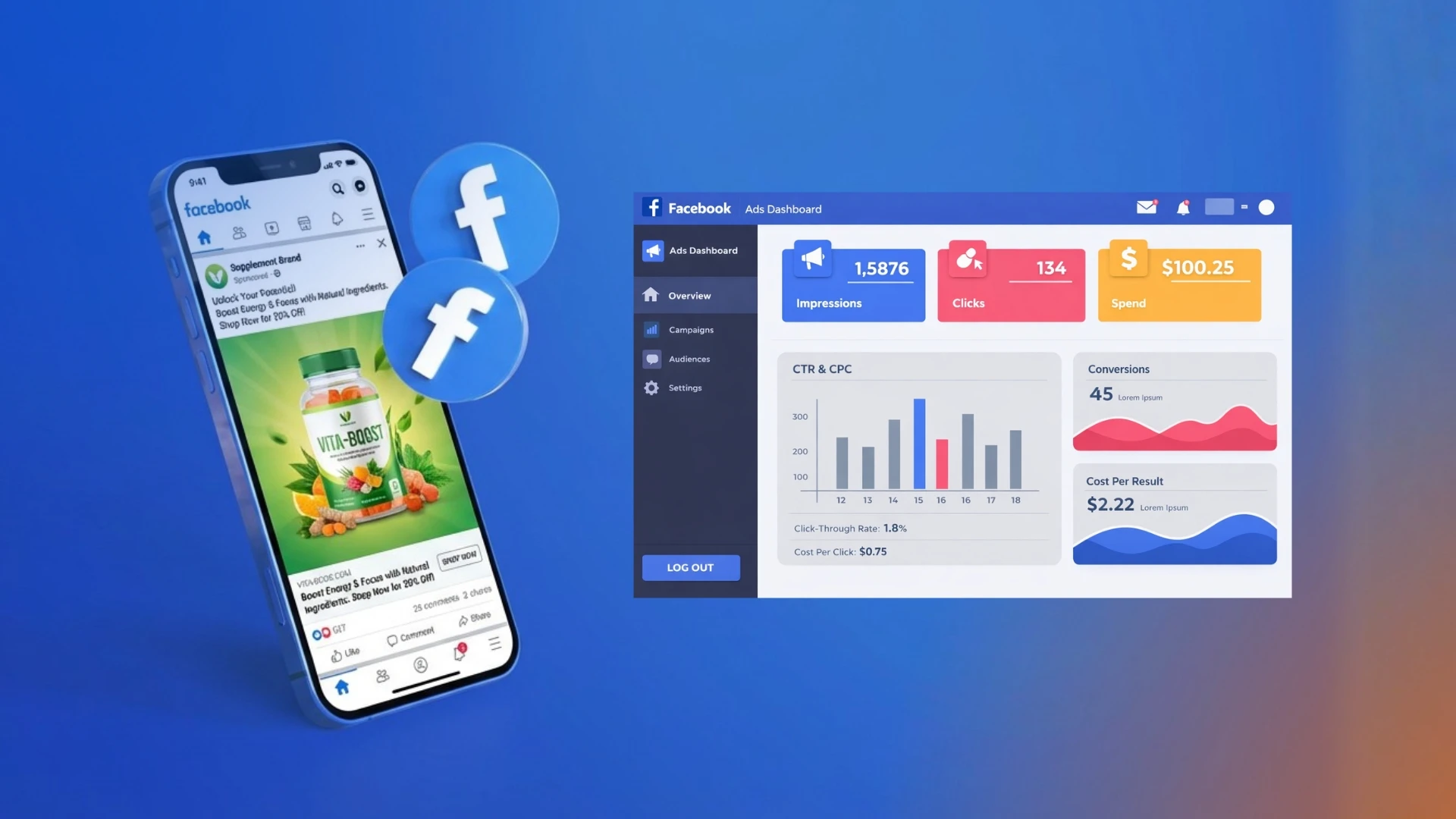
Most supplement brands think they struggle because they picked the “wrong” audience. That’s usually not the case. Most of the time, they struggle because they over-target and restrict delivery.
Facebook now decides who sees your ads based on behaviour and interests. Your role is to give the platform room to learn your audience’s behaviour, while staying within policy.
Here’s how you can scale Facebook ads for supplements in 2026:
Start Broad, Not Clever
Detailed targeting sounds smart, but it usually limits scale.
Most supplement brands see better results by starting broad and letting Facebook learn. That means:
- Minimal interests
- No health-condition targeting
This also keeps you aligned with Facebook’s Advertising Guidelines, which restrict health-based targeting.
In essence, broad targeting improves engagement rate and stabilizes cost per click over time.
Use Creative to Do the Targeting
Instead of narrowing the audience, let the creative speak to the right person.
A magnesium supplement creative naturally attracts people interested in sleep or stress without you having to target those topics directly. Facebook identifies who interacts with your content and adjusts your delivery.
Build Retargeting the Right Way
Common retargeting groups include:
- Website visitors
- People who watched your videos
- People who engaged with your page or ads
These audiences already know your brand, so click-through rates are usually higher, and cost per click is lower.
Separate Prospecting and Retargeting
Don’t combine cold and warm audiences in the same campaign.
Cold audiences need education. Warm audiences need reminders. Separating them gives Facebook accurate data and gives you better control of your results.
Use Lookalikes Carefully
Lookalike audiences still work, but they work best when:
- The source audience is high-quality
- You don’t stack too many lookalikes together
- You test one at a time
Lookalikes based on purchasers or engaged users often perform better than interest-based targeting.
Wrapping Up
If you’re serious about selling supplements on Facebook, treat it like a system, not a one-off campaign. Build trust first, keep your messaging consistent, and let your performance grow over time.
This approach may feel slow at the start, but it’s the reason some brands scale while others keep getting stuck at review.
FAQs
1. Do you need approval to sell supplements?
You don’t need special approval to sell supplements on Facebook, but your ads must follow Facebook’s supplement policies. Facebook reviews your ads, your Facebook Business Page, and your website before approving campaigns. If your product or messaging breaks the rules, your ads will be rejected even if the supplement itself is legal.
2. Where is the best place to advertise supplements?
Facebook is still one of the best places to advertise supplements in 2026, especially for brand building and retargeting. Many brands also use Instagram, Google Search, and email marketing together with Facebook ads.
3. What ads are not allowed on Facebook?
Facebook does not allow supplement ads that:
- Claim to cure, treat, or prevent diseases
- Promise guaranteed or fast results
- Use before-and-after images
- Target people based on health conditions
- Shame users about their body or health
Ads that break these rules are usually rejected and can put your ad account at risk.

.svg)
.avif)

.svg)