

TABLE OF CONTENTS
What’s Changing in Supplements
Which categories are growing fastest?
Two Different Customers Are Driving 2026
Comparison Table: Longevity buyer vs Viral wellness buyer
Trend #1: Brain-focused supplements
Top Brain Ingredients and How to Sell Them
Summary: Cortisol Drink Formula
Melatonin vs Melatonin-Free Sleep Supplements
Trend #4: Lifecycle Nutrition in Women’s Health
Trend #5: From Sleeping Pills to Sleeping Routines
Trend #7: Postbiotics and Psychobiotics
Probiotics vs Postbiotics vs Psychobiotics
Hydration Product Trends That Sell
Trend #10: Sustainability and Packaging


Share via:
A few years ago, selling a multivitamin or a single-ingredient capsule was enough to get a ton of buyers. Today, that’s not the case. Buyers want more. They are asking better questions. They want to know what a product does, who it is for, and whether it fits into their daily routine.
Buyers now compare labels and read reviews. They care about stress, sleep, focus, hormones, gut health, and aging well. They are not looking for “everything in one pill.” They want solutions that match their needs.
In this article, we’ll break down the key supplement trends for 2026. As you read, you’ll learn how to plan, avoid short-lived hype, and build products people will always want to buy.
What’s Changing in Supplements
There is a huge demand for “performance-based supplements” (supplements that improve performance).
Previously, the market was full of “corrective supplements (supplements that fix deficiencies), but right now, the projected CAGR (Compound Annual Growth Rate) for performance-based supplements outpaces general multivitamins by 2x.
General vitamins include basic multivitamins and simple vitamins like C or zinc. The problem is that many brands sell the same product. As a result, buyers often choose the cheapest option or feel unsure which one to buy.
Thankfully, faster growth is happening in:
- Sports and active nutrition (for energy, hydration, and recovery, not just gyms)
- Gut and brain supplements (for digestion, mood, and focus)
- Personalized stacks (supplements picked based on goals or quiz results)
Which Categories Are Growing Fastest?
The following categories are going to be the fastest-selling supplement categories in 2026:
What this means for your store is simple. If you mostly sell basic vitamins, it will be harder to grow. Products that solve a clear problem are easier to explain and sell.
Two Different Customers Are Driving 2026
It’s important to note that not everyone buys supplements for the same reasons. There are two very different types of customers that will drive sales in 2026.
- The Longevity Buyer (Gen X and Boomers)
This customer is thinking long-term. They want to stay strong, active, and mentally sharp as they age. For them, supplements are part of a serious health plan.
Longevity buyers are willing to pay more when they see value. They look for:
- Clear clinical proof
- Trusted, premium ingredients
- Simple, serious packaging that feels medical or science-based
They are less interested in flavours or fun branding. What matters most is trust and quality.
- The Viral Wellness Buyer (Gen Z and Alpha)
Many of their buying decisions start on social media, especially TikTok. For them, supplements are part of lifestyle and self-care. They want products that feel good to use and are easy to share online.
They care about:
- Good taste and daily rituals
- Clear labels and honest ingredient lists
- Eco-friendly packaging
- Bold, eye-catching design
Buyers in this category are more likely to try new formats and brands, as long as the product feels fun, clear, and modern.
Comparison Table: Longevity buyer vs Viral wellness buyer
A product built for longevity buyers will look and feel very different from one built for viral wellness buyers.
You need to choose your customers early to strengthen your brand and simplify your marketing.
Let’s now take a look at the supplement trends for 2026.
Trend #1: Brain-focused supplements

More people want to think clearly, stay productive, and feel calm while doing it. This is why brain-focused supplements are becoming more popular.
This shift is different from the old “stress supplements.” The goal is not to feel sleepy, but to stay sharp without feeling weird or tired. Because of this, many people are moving away from strong stimulants.
Too much caffeine can cause jitters, crashes, and anxiety. Instead, buyers are choosing products that help them focus while staying calm.
These products are often used for:
- Studying or working long hours
- Staying focused without feeling tense
- Mental clarity during busy days
Two ingredients stand out because people already recognize them and understand what they do.
- Lion’s Mane: Often linked to focus and memory. Many people see it as a “brain mushroom” that supports clear thinking.
- Bacopa: Known for helping with memory and how the brain processes information. It is often used in products that support sustained focus, not quick bursts of energy.
Creatine is also used to support brain energy and reduce mental fatigue during long periods of thinking or problem-solving.
Students, office workers, and older adults are increasingly using creatine for cognitive performance.
Top Brain Ingredients and How to Sell Them
Here are some of the top brain ingredients for supplement brands:
For supplement brands, brain products work best when your messaging is simple. Your prospective buyers want to know how the supplement helps them think better, not how complex the science is.
Trend #2: Cortisol

What started as a social media trend is now turning into a serious product category. People now know cortisol as the “stress hormone” and want simple ways to support their body when stress feels constant.
Cortisol supports stress recovery and hydration.
These products are not meant for emergencies. They are used daily, often in the morning or early afternoon, when stress starts to build.
Most cortisol drink products follow a similar structure:
- Vitamin C: Supports the body during stress and helps with recovery.
- Magnesium: Helps relax the nervous system and supports balance.
- Potassium: Often added through coconut water powder to support hydration.
Some formulas include extra ingredients for added support:
- Ashwagandha: Commonly used to help the body handle stress. Standardized extracts are preferred for consistency.
- Rhodiola: Known for helping the body stay steady during physical or mental fatigue without causing drowsiness.
Summary: Cortisol Drink Formula
Trend #3: Sleep Supplements

Many people have tried melatonin-only supplements and did not like how they felt the next day. Grogginess, headaches, and uneven sleep cycles are common complaints. As a result, buyers are choosing Sleepmaxxing.
“Sleepmaxxing” is about improving sleep quality. The focus is on helping the body relax, recover, and follow a natural sleep rhythm. This is why sleep supplements are now built as recovery stacks, not single-ingredient products.
For instance, magnesium glycinate is now preferred for sleep because:
- It helps the body relax
- It supports the nervous system
- It is easier on the stomach than other forms
Another sleeping supplement gaining popularity is tart cherry. It contains compounds linked to better sleep quality and recovery.
It is commonly used in:
- Sleep powders
- Evening drink mixes
- “Sleep mocktail” routines
Because it comes from a food source, many buyers see tart cherry as gentle and safe for regular use.
Other common melatonin alternatives include:
- Apigenin, often linked to relaxation
- L-theanine, known for calming the mind
- Glycine, used to support sleep comfort
Melatonin vs Melatonin-Free Sleep Supplements
Trend #4: Lifecycle Nutrition in Women’s Health
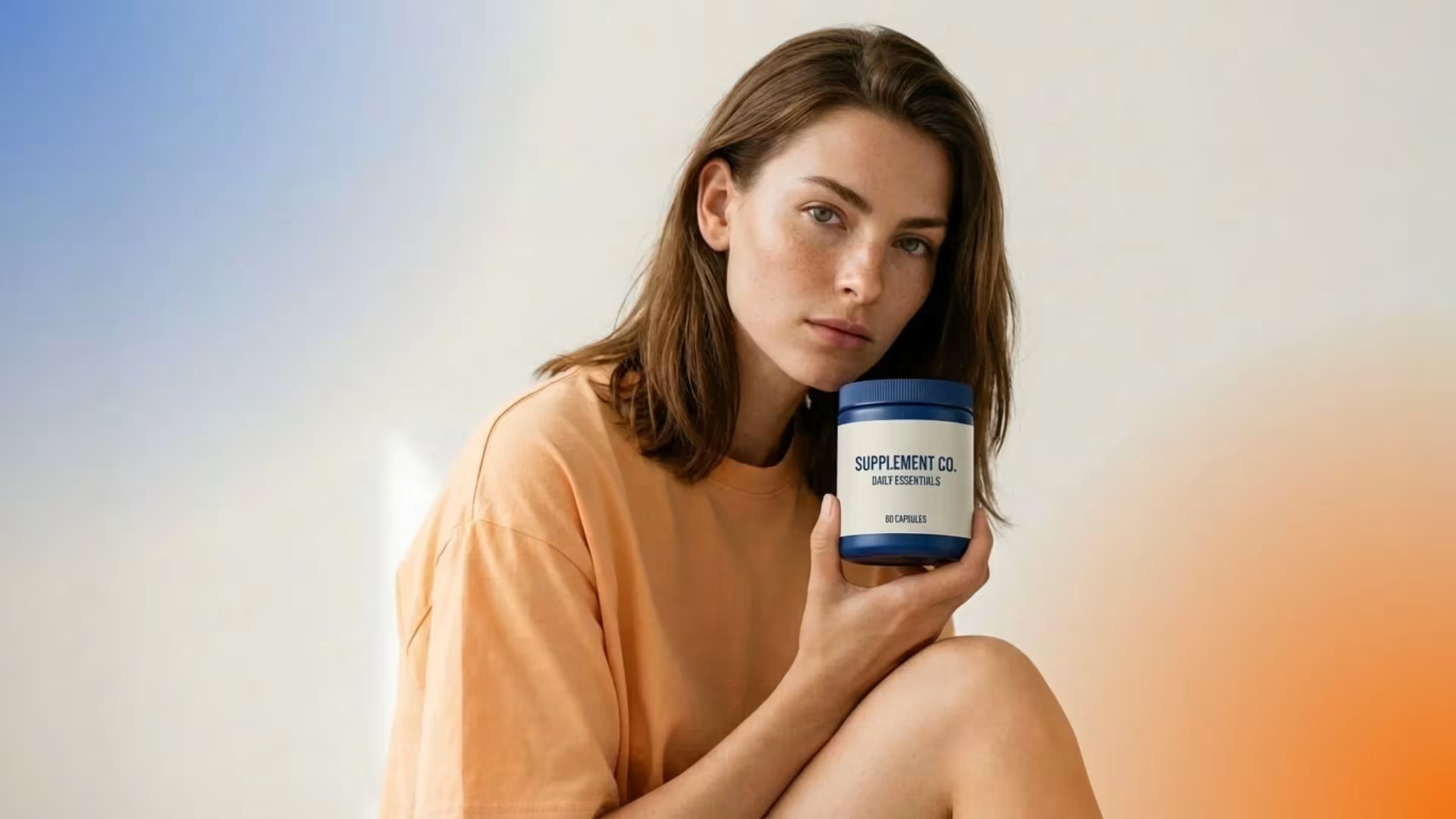
Cortisol is no longer a technical term only health experts use. Many buyers now understand it as the “stress hormone” and actively look for ways to use it. This is creating a new kind of supplement category focused on daily stress balance.
What’s different about cortisol-focused products is how they are used. These are not pills taken when you are extremely stressed. They are usually taken earlier in the day or after physical or mental strain to help the body recover and reset.
Cortisol-support products often show up as:
- Drink mixes taken in the morning or afternoon
- Powders mixed with water for daily hydration
- Light, routine-based supplements rather than heavy capsules
They are usually focused on balance and recovery rather than relaxation or sleep. This makes them appealing to people who feel “wired but tired” and want support without feeling slowed down.
For ecommerce brands, your buyers need to understand that these supplements slowly support balance, not instant relief. Simple usage guidance and routine-based positioning can help you set the right expectations.
This category is still developing, making it a good opportunity for new or recently established skincare brands.
Trend #5: From Sleeping Pills to Sleeping Routines
Women’s health supplements are no longer limited to prenatal vitamins or beauty gummies.
Hormonal changes, monthly cycles, low energy, mood shifts, and sleep problems often change with age; as such, more women are looking for support that matches what their bodies are going through at different stages of life.
Today, women are choosing supplements that support specific phases, such as:
- Monthly cycle and PMS support
- Hormone balance during stressful periods
- Perimenopause changes, like sleep issues or mood swings
- Menopause support for comfort and daily energy
- Long-term health and aging well
Older women in the perimenopause want non-hormonal support. They are cautious about strong treatments and prefer plant-based options.
Key ingredients used for this stage include:
- Siberian rhubarb, often used for hot flashes and night sweats
- Black cohosh, a well-known ingredient for menopause support
Younger women, on the other hand, are also looking for more specific hormone support. PCOS and cycle syncing products are becoming more common as awareness grows.
PCOS-focused supplements often use a clear formulation standard:
- Myo-inositol + D-chiro-inositol in a 40:1 ratio
Another ingredient used is: Berberine. This is often positioned for blood sugar support (brands must be careful with how claims are worded).
For monthly cycle support, many products focus on the luteal phase (the week before a period).
What to Sell by Life Stage
Trend #6: NMN Is Back

NMN (Nicotinamide mononucleotide) is back on the market, and it’s totally changing how longevity products are built and sold. At the same time, brands need to move carefully. Longevity products are constantly reviewed and must meet all compliance requirements.
With NMN available again, many brands are launching new products. This has created a surge in NMN capsules, powders, and bundles targeting energy and cellular health.
But even though NMN can be sold, it is still treated as a new dietary ingredient. This means brands must be careful about how they source, label, and market it.
Aside, NMN, some brands are now building full longevity supplements using multiple ingredients like:
- Urolithin A: Often linked to muscle strength and energy at the cellular level.
- Spermidine: Known for supporting natural cell cleanup processes.
- Fisetin: A plant compound studied for its role in reducing age-related inflammation.
Longevity Ingredients
Trend #7: Postbiotics and Psychobiotics

Probiotics can be confusing. Some people are unsure if the bacteria survive shipping or if the product even works. Because of this, gut health is entering a new trend: postbiotics and psychobiotics.
Postbiotics are not live bacteria; they are much more stable.
This makes a big difference for ecommerce brands, because, postbiotics are:
- Easier to ship and store
- Less sensitive to heat and time
- Easier to add to gummies, powders, and drinks
For buyers, this stability builds trust. They do not have to worry about refrigeration or whether the product “died” before they used it.
Postbiotics are often positioned for:
- Gut comfort
- Immune support
- Gut barrier support
Psychobiotics, however, focus on how the gut affects mood and stress. Instead of selling gut products only for bloating or digestion, brands are now positioning them for:
- Anxiety support
- Mood balance
- Stress resilience
This works because many buyers already believe the gut and brain are connected. Psychobiotics fit naturally into conversations about mental wellness, calm, and emotional balance.
Probiotics vs Postbiotics vs Psychobiotics
Trend #8: Active Nutrition
The demand for plant-based protein is growing, but buyers are becoming more selective than before. Many people did not like early plant proteins because of taste or texture. Now, that is changing.
Brands are now using:
- Better protein blends, such as pea + rice + pumpkin seed, to improve taste and balance amino acids
- Animal-free whey, made through fermentation, which gives the feel of whey protein without dairy or animal products
These options appeal to buyers who care about performance but also want cleaner, more ethical choices.
Hydration powders are also gaining traction, as they are now sold as:
- Daily rituals, taken in the morning or during the day
- Premium products, with added benefits beyond thirst
One growing trend is beauty hydration. These products link hydration to skin health and appearance.
Common add-ons include:
- Hyaluronic acid for skin moisture
- Ceramides for skin barrier support
- Vitamin C for skin and overall wellness
Hydration Product Trends That Sell
Trend #9: Delivery formats
People are genuinely tired of swallowing pills every day. This “pill fatigue” is pushing people toward formats that are easier, better tasting, and more convenient.
For instance, buyers now expect gummies that have:
- Sugar-free or low-sugar formulas
- Higher active ingredient levels, so fewer gummies are needed
Because they are easy to take and taste good, gummies are really good for daily use. They are especially popular for stress, sleep, and beauty supplements.
Also, oral thin films are becoming quite trendy. These are small strips that dissolve on the tongue and do not require water. Customers like them because:
- They work fast
- They avoid digestion issues
These delivery formats work best for quick needs, such as:
- Sleep support right before bed
- Anxiety or stressful moments
- Short-term energy boosts
Oral thin films are often priced higher than gummies because they are more advanced and convenient.
Some nutrients are difficult for the body to absorb. For these nutrients, liposomal technology is used. The format works well for:
- Vitamin C
- Glutathione
- Curcumin
Delivery Format Comparison
Trend #10: Sustainability and Packaging

More brands are choosing the “buy once, refill forever” model. This is where customers buy a main container once, then refill it instead of throwing it away.
Refill systems usually include:
- A reusable glass or metal container
- Compostable or recyclable refill pouches
This approach works well because:
- Refill pouches are lighter to ship
- Shipping costs are lower
- Less plastic is used
Another new trend is packaging.
Packaging design in 2026 will be split into two styles:
- Apothecary / clinical look: Clean labels, calm colours, glass bottles, and simple fonts. This style signals trust, science, and long-term health. It appeals more to older buyers and longevity-focused customers.
- Gen Z bold look: Bright colours, playful fonts, and strong visual contrast. This style is designed to prevent scrolling on social media. It appeals to younger buyers who see supplements as part of their lifestyle and self-expression.
Trying to mix both styles often confuses buyers. Strong brands choose one and stay consistent.
Packaging Standards for 2026
Trend #11: Personalization and AI
The most common form of personalization starts with a simple quiz. Customers answer a few questions about their lifestyle, stress levels, sleep, or goals.
From this, brands can:
- Recommend the right products
- Build bundles instead of single items
- Collect first-party data directly from customers
This format increases average order value because customers are more likely to buy a full routine.
Some brands are going further by connecting supplements to real data. These brands use information from wearables or health tests to adjust what their customers receive.
For example:
- If sleep data drops, the next pack may include more sleep support
- If stress stays high, the formula can shift toward recovery
This turns supplements into a service, not just a product. This way, customers stay subscribed because the plan feels personal and responsive.
Levels of Personalization
Wrapping Up
People are no longer buying supplements just to “be healthy.” They want products that fit their daily lives and support specific needs, like stress, sleep, hormones, gut health, and aging well.
If you want your supplement brand to stand out, then you must choose one customer, one problem, and one clear solution. You must use delivery formats that appeal to your customers, packaging that feels personal, and messaging that is clear and avoids overpromising.
You don’t have to chase every trend; you just have to build products people understand, use, and can always come back to.
References
Nutraceutical Trend Report.pdf
Collagen Types Compared Bovine, Marine, and Porcine 2025.pdf

.svg)

.avif)

.svg)