

TABLE OF CONTENTS
Why Skincare Brands Fail in 2026
- Rising Customer Acquisition Costs With Shrinking Returns
- Market Saturation and the Differentiation Problem
- Ad Fatigue and the Declining ROI of Influencer Marketing
- Short Product Trend Cycles
- Greenwashing and the Transparency Problem
- Regulatory Complexity for Skincare Ecommerce Brands
- Building Customer Retention in a High-Churn Category
- Supply Chain Instability and Rising Costs
- Over-Reliance on Third-Party Data and Platform Dependency
- Innovation Pressure and the Copycat Problem
How to Address These Challenges
- Why are Meta ad costs rising for beauty brands?
- Why are most indie skincare brands failing despite great products?
- What is ad fatigue and why does it hurt skincare brands more?
- Why is brand differentiation harder in skincare than other DTC categories?
- What percentage of skincare brands fail in their first 3 years?


Share via:
Building a skincare brand in 2026 is not the same as it was five years ago.
Back then, you could launch with a hero product, run Meta ads, partner with a few influencers, and get lots of orders. That strategy is no longer reliable.
Ad costs have gone up. Organic reach has gone down. Consumers are more skeptical, more educated, and have more choices than ever before.
Due to this change, many skincare brands are working harder and spending more, yet still struggling to grow.
This article breaks down the top beauty skincare brand pain points and marketing challenges in 2026, and what it takes to overcome them.
Why Skincare Brands Fail in 2026
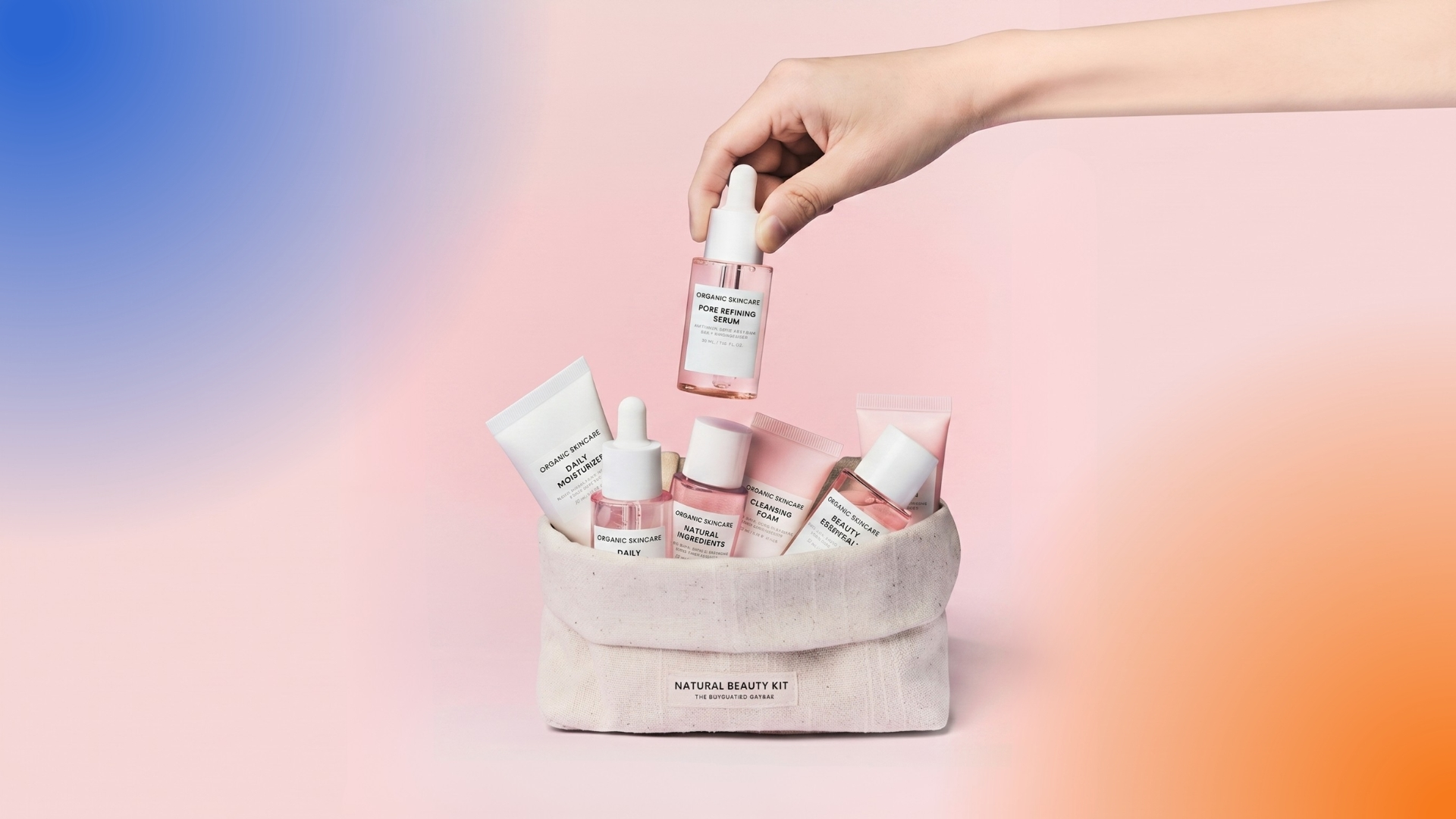
The skincare market is growing at around 5.24% annually. There are more consumers interested in skincare than ever before. And yet, about 90% of beauty startups still fail.
That number has not improved much despite the growth of the market. If anything, it has gotten harder because more brands are competing for the same customers, ad inventory, and shelf space.
The brands that fail are not usually failing because of a bad product. They fail because of everything around the product:
- Weak differentiation
- Poor understanding of their customer
- Expensive customer acquisition with no plan to retain
- Regulatory mistakes that damage credibility
- Marketing strategies built on channels and tactics that are getting less effective every year
Here are the biggest pain points and marketing challenges for beauty skincare brands in 2026, and how to overcome each.
1. Rising Customer Acquisition Costs With Shrinking Returns
This is the number one skincare marketing challenge for most brands right now. Paid advertising on Meta and TikTok has become more expensive, and returns have not kept pace with rising costs.
Skincare CAC benchmarks have risen significantly over the past three years.
What used to cost $15-$20 to acquire a customer on Meta now costs $40-$60 or more for skincare brands, depending on the niche, audience, and competitive density of the category.
For brands with a low average order value or products people buy only once or twice a year, those numbers make good paid acquisition almost impossible.
But the issue is not just cost. It is also performance.
Ad fatigue is real, and it affects skincare brands more than many other categories because the market is so saturated with similar content.
Consumers see hundreds of skincare ads every week. Most of them look the same:
- Before-and-after photos
- Ingredient callouts
- Influencer testimonials
When everything looks the same, nothing stands out; therefore, click-through rates decrease.
This means brands that built their entire growth model on paid social are now facing a problem. Whereas those that diversified into organic search, email, SMS, and community have built trust and retention over time.
2. Market Saturation and the Differentiation Problem
One of the most underestimated pain points for skincare brands is how hard it has become to stand out.
The barrier to entry in skincare has never been lower. Private-label manufacturers, low-MOQ options, and accessible formulation suppliers mean that almost anyone can launch a cleanser or serum. And they are.
The result is a market flooded with products that look similar, sound similar, and make similar claims.
- Hyaluronic acid serums
- Vitamin C brightening treatments
- Retinol for fine lines
- Niacinamide for pores
Every brand has them. Most say roughly the same things about them.
This is a major challenge facing beauty brands in particular. Larger brands have the budget to invest in proprietary formulations, clinical studies, and celebrity partnerships that create separation.
Smaller brands often do not have those resources, which means differentiation has to come from somewhere else:
- Brand story
- Community
- Transparency
- Niche targeting
- Or the quality of the content and education they produce.
To overcome this challenge, you must have a specific point of view. This can be a particular skin concern, a specific demographic, or a philosophy around ingredients or results that makes their brand recognizable in a way that cannot be easily copied.
3. Ad Fatigue and the Declining ROI of Influencer Marketing
Influencer marketing used to be one of the most cost-effective channels for skincare brands. A mid-tier creator posting about a serum could drive thousands of units in a week. That still happens, but it is less reliable than it was three or four years ago.
Audiences have become more skeptical of sponsored content, particularly in the beauty industry. When every other post is a paid partnership, the endorsement loses meaning. Consumers have learned to recognize the format, and many scroll past it.
This does not mean influencer marketing is dead. It means the way it works has changed.
The brands getting strong returns from influencer partnerships in 2026 are doing it differently:
- Longer-term relationships with fewer creators
- Genuine product integrations rather than scripted posts
- Micro-creators with highly engaged niche audiences, rather than macro-influencers with big but passive followings
Right now, there is a focus on content that educates rather than just endorses
4. Short Product Trend Cycles
TikTok has accelerated the beauty trend cycle to the point where it barely resembles what it was five years ago.
An ingredient can go viral overnight, drive a surge in search and sales, and be forgotten within weeks. Short product trend cycles are among the most disruptive challenges in skincare ecommerce for brands trying to build a stable, long-term business.
The problem is not just that trends move fast. It is that brands make costly inventory and production decisions based on trend momentum that collapses before they can even get the product to market.
A brand that commits to a large production run of a trending ingredient serum can end up with unsellable stock by the time the product is ready to ship.
To avoid this, you must build a flexible supply chain, keeping core product lines stable rather than constantly chasing new SKUs, and treating trends as marketing opportunities rather than product development signals.
5. Greenwashing and the Transparency Problem
Greenwashing is one of the most common issues in skincare right now. Brands that make vague sustainability or clean beauty claims face growing consumer skepticism and increasing regulatory risk.
But the cost of transparency (real ingredient-sourcing documentation, verifiable sustainability claims, evidence-backed safety data) is quite reasonable, especially for smaller brands.
The EU's Green Claims Directive governs what brands can say about sustainability. Terms like:
- "Eco-friendly,"
- "Low-waste"
- "Biodegradable"
…now require scientific evidence to back them up.
FDA skincare advertising rules in the US are also becoming stricter around performance claims. Words like "reverses aging" or "clinically proven" without supporting clinical data are a liability.
For indie skincare brands, the temptation is to use the language that converts: "clean," "natural," "non-toxic," "transformative", but without the documentation to support it, those words put you at risk.
To build long-term trust, you should focus on replacing marketing language with evidence and explaining what your products do and how long realistic results take.
6. Regulatory Complexity for Skincare Ecommerce Brands
Regulatory compliance differs between the US, Canada, the EU, and the UK. What is allowed in one market may be restricted or require different labelling in another.
In Canada, Health Canada's cosmetic notification requirements mean that every cosmetic product sold in Canada must be notified to Health Canada within 10 days of the first sale, and ingredient lists must comply with the Cosmetic Ingredient Hotlist.
FDA skincare advertising rules govern what claims can be made about skincare products in the US. Products that cross the line from cosmetic claims into drug claims, like
- "Treats acne"
- "Heals eczema"
- "Reduces inflammation"
…are subject to FDA drug approval requirements, which most skincare brands are not set up to meet. If you get this wrong, you’ll either receive a warning letter, face product seizures, or be required to reformulate.
For brands operating in the EU, the Cosmetics Regulation requires a:
- Full Product Information File (PIF)
- Cosmetic Product Safety Report (CPSR) signed off by a qualified assessor
- Compliance with the ingredient restrictions and labelling rules that differ from US requirements
Most brands do not discover these requirements until they are already selling and then receive a compliance notice.
7. Building Customer Retention in a High-Churn Category
Skincare has a retention problem that isn't talked about enough. Consumers try a product, get through the first bottle, and then move on to something new, usually something they saw on TikTok.
In a category this trend-driven, first-time buyers do not automatically become repeat customers just because they liked the product.
This makes customer lifetime value (LTV) one of the most important metrics for any skincare brand, and also one of the hardest to maintain.
Brands that rely entirely on acquisition to grow are on a treadmill. The moment they reduce ad spend, their revenue drops.
However, the brands that build sustainable businesses are the ones that invest as much in keeping customers as they do in acquiring them, using:
- Email and SMS marketing
- Post-purchase flows
- Loyalty programs
- Ingredient-education content
- Subscription models
These tools require investment and strategy, and many brands deprioritize them in favour of top-of-funnel acquisition until they realize how much they are spending to acquire customers who only buy once.
8. Supply Chain Instability and Rising Costs
Ingredient shortages, freight volatility, packaging delays, and geopolitical uncertainty all affect production timelines and cost structures in ways that are difficult to predict or control.
With limited cash reserves and tight margins, a single supply chain delay can derail a product launch and cause a stockout on a bestselling SKU.
Rising raw material costs are also affecting margins.
Trending actives like peptides, ceramides, and fermented ingredients have seen price increases as global demand has grown. Packaging materials have also been affected by resin shortages and volatility in shipping costs.
The brands managing these problems are the ones that:
- Plan ahead
- Build a buffer stock
- Work with multiple suppliers rather than depending on a single source
They also price their products with sufficient margins to absorb unexpected cost increases without losing the business.
9. Over-Reliance on Third-Party Data and Platform Dependency
One of the less visible but increasingly skincare ecommerce challenges is how dependent most brands have become on platforms they do not control.
Meta, TikTok, and Google can change their algorithms, raise their prices, or restrict ad categories at any time. When a brand's entire customer acquisition strategy runs through one or two paid channels, any disruption to those channels becomes an instant threat.
This is why first-party data is now one of the most valuable assets a skincare brand can build.
First-party data is the information you own directly:
- Email lists
- SMS subscribers
- Purchase history
- Customer preferences collected through quizzes or loyalty programs
Unlike third-party data or paid platform audiences, first-party data cannot be taken away from you when an algorithm changes or an ad account gets flagged.
Brands that have invested in building their email and SMS lists, developing loyalty programs, and collecting customer data directly are in a better position than those that have relied entirely on paid media.
They have a direct line to their customers that does not depend on paying a platform to reach them.
10. Innovation Pressure and the Copycat Problem
Ever seen a brand develop a new formulation, a unique ingredient angle, or a distinctive product format, and within months, it is being replicated by five other brands, at a lower price point?
Short product trend cycles add to this problem. By the time a brand has developed, tested, manufactured, and launched a trend-responsive product, the trend may already have passed or been saturated by competitors.
The customer acquisition cost of entering an overcrowded category that used to be differentiated can exceed the return the product generates.
If you are a skincare brand without large R&D budgets, the answer is not to try to out-innovate on formulations alone. It is to invest in differentiation that cannot be easily copied:
- Brand story
- Community
- Customer relationships
- Content quality
These are the assets that compound over time and cannot be replicated overnight by a competitor who spotted your product and went to the same private label manufacturer.
How to Address These Challenges

Here is what the skincare brands overcoming these challenges are doing differently:
- Building retention systems, not just acquisition funnels: The brands growing their customer lifetime value are the ones investing in post-purchase communication, loyalty programs, and email flows that keep customers engaged between purchases. A customer who buys three times has a fundamentally different LTV profile than one who buys once, and the cost to retain them is a fraction of the cost to replace them
- Collecting and using first-party data: Skincare quizzes, loyalty programs, email sign-up incentives, and post-purchase surveys are all ways to build direct relationships with customers and collect data. Brands that do this consistently reduce their dependence on paid acquisition and lower their customer acquisition cost as their owned channels grow
- Treating transparency as a marketing strategy: In a market full of greenwashing and exaggerated claims, being clear about what your products do, what is in them, and what results are realistic is a competitive advantage. Consumers reward honesty, particularly in skincare, where they have been disappointed by overclaims before
- Diversifying marketing channels: Ad fatigue and rising costs on paid social make it essential for skincare brands to develop multiple channels rather than relying on a single channel. SEO, organic content, email marketing, community, and earned media all have lower per-customer costs than paid social, but they take longer to build
- Managing trend-driven demand with operational discipline: Skincare brands that want to participate in short product trend cycles without getting burned by unsold inventory are the ones doing smaller production runs, validating demand before committing to large orders, and building flexible supply chain relationships that allow for quick scaling
- Getting compliance right early: Whether it is Health Canada cosmetic notification requirements, FDA skincare advertising rules, or EU product information file requirements, regulatory compliance is cheaper to build than to fix after a notice arrives.
Final Thoughts
Building a skincare brand in 2026 can be quite difficult. The market is competitive, advertising is expensive, consumers are skeptical, and the rules are getting stricter.
But the fundamentals have not changed. Know your customer. Build a product that works. Market it honestly. Keep your customers coming back. Get your compliance right. And build marketing assets you own, not just channels you rent.
If you are a skincare brand navigating these challenges and looking for help with marketing, get in touch with Pro Marketer. We work with skincare and cosmetics brands to build growth systems that compound over time.
FAQs
1. Why are Meta ad costs rising for beauty brands?
Meta ad costs for beauty and skincare brands have risen due to increased competition for the same ad inventory. More brands are running paid social campaigns, which drives up cost-per-click and cost-per-impression.
Additionally, the loss of iOS 14 tracking data made targeting less precise, which means ads are less efficient. When ads are less efficient, brands have to spend more to achieve the same results, which pushes customer acquisition cost higher across the category.
2. Why are most indie skincare brands failing despite great products?
Most indie skincare brands fail not because their products are bad, but because of everything around the product.
Common reasons include a lack of a clear, unique selling proposition, a poor understanding of the target customer, a weak retention strategy, overreliance on paid acquisition, an insufficient marketing budget, regulatory mistakes that create compliance risk, and trying to expand too fast before the business is stable.
3. What is ad fatigue and why does it hurt skincare brands more?
Ad fatigue happens when an audience has been exposed to the same type of advertising so many times that they stop responding to it.
Skincare is vulnerable because the category is so saturated with similar-looking ads. Consumers see hundreds of skincare ads every week, most of which look alike. When everything looks the same, engagement drops. Click-through rates fall.
The cost per acquisition rises. Brands that do not continuously refresh their creative, test new formats, and offer different messaging will see their ad performance deteriorate over time, regardless of how much they spend.
4. Why is brand differentiation harder in skincare than other DTC categories?
The barrier to entry in skincare is low. Private label manufacturers, accessible ingredient suppliers, and low minimum order quantities mean that almost anyone can launch a serum or moisturizer.
The result is a market flooded with products that make similar claims, use similar ingredients, and target similar audiences.
True differentiation requires investment in proprietary formulation, clinical evidence, or meaningful brand storytelling and community that cannot be easily replicated by a competitor sourcing from the same manufacturer.
5. What percentage of skincare brands fail in their first 3 years?
While there is no official exact figure specific to skincare, the general startup failure rate of around 70% to 80% applies broadly across the beauty industry.
Most skincare brands that fail do so within the first two to three years, usually due to a combination of poor differentiation, unsustainable customer acquisition costs, weak retention, insufficient capital, and operational challenges.
The brands that make it past three years are the ones that have found a profitable acquisition channel, built a loyal repeat customer base, and maintained enough margin to reinvest in the business.

.svg)

.avif)

.svg)