TABLE OF CONTENTS
Paid Search vs Organic Search: Direct Comparison
- Immediate Visibility
- Precise Targeting
- Predictable Scaling
- High Commercial Intent
- Measurable Performance
- Compounding Traffic Over Time
- Lower Long-Term Cost
- Higher Trust & Credibility
- Broad Keyword Coverage
- Stronger Brand Authority
Disadvantages of Organic Search
The Hybrid Approach: Combining Paid and Organic Search
- What is the main difference between paid and organic search?
- Which is better: paid or organic search?
- What is an example of organic search?
- What is an example of a paid search?
- Is organic search really free?
- Is paid search going away?
- What does a paid search ad look like?
- Do paid ads help organic rankings?


Share via:
If someone wants to buy something today, where do they go first? Google. And that hasn’t changed. Google still controls almost 90% of the search market.
Now here’s the part most people underestimate: 75% of users never go past page one. And almost 30% click the very first organic result. So if you’re not ranking high or running ads, you’re invisible.
But search itself is changing.
People are still interested in AI tools like ChatGPT. Around 65% of marketers say AI tools have improved their SEO results, and 67% say AI improves content quality. So while search is still Google-dominated, the way we optimise for it is changing.
Over 72% of Google traffic comes from mobile, and nearly 46% of searches have local intent. People are searching on their phones for something nearby and making quick decisions.
So when we talk about paid search vs organic search, we’re really talking about whether you pay to appear immediately on search engines or if you build long-term visibility through SEO.
What Is Organic Search?

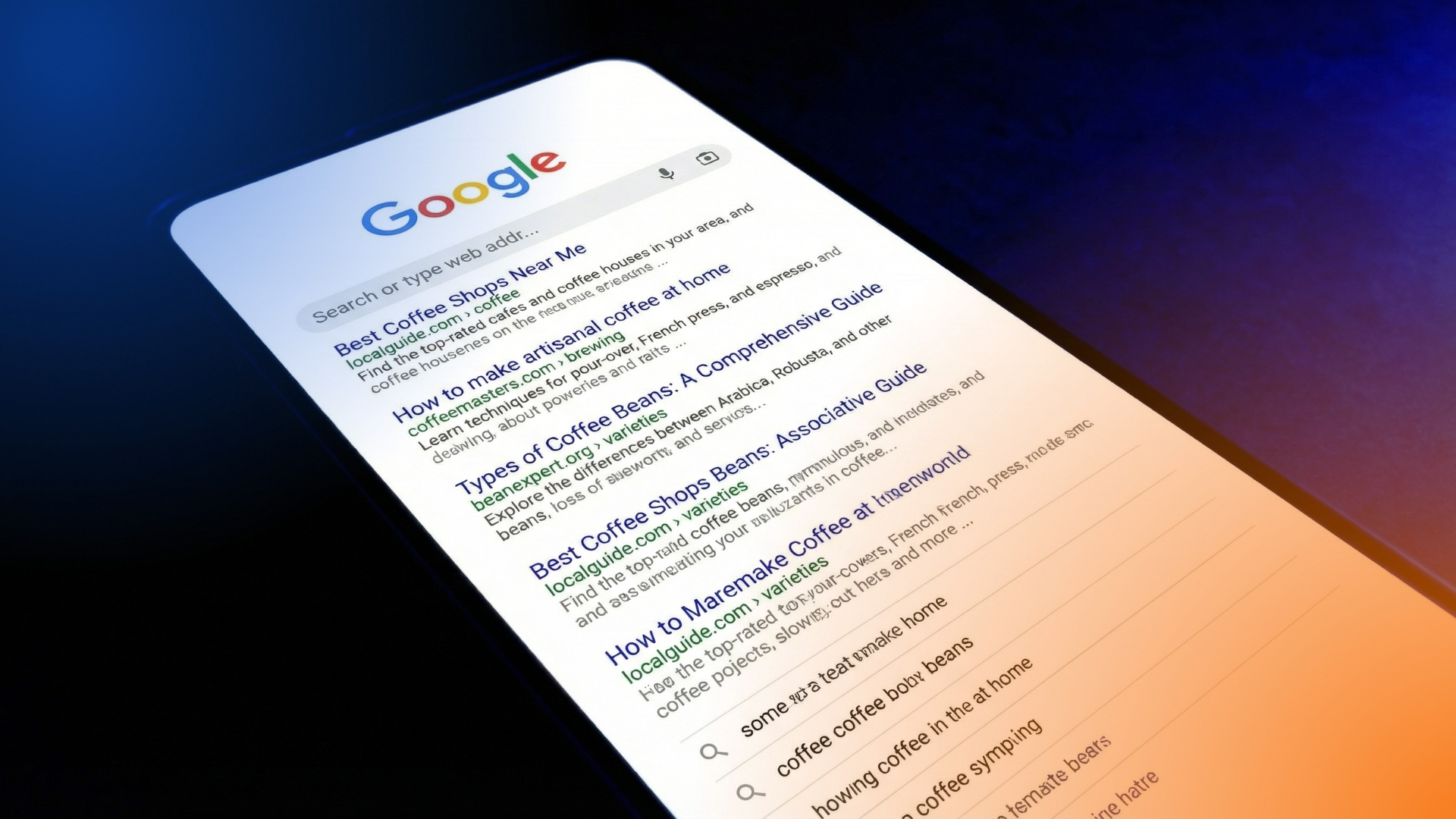
When someone types something into Google and clicks a non-ad listing, that’s organic search.
Those listings show up because Google believes they’re the most relevant results based on content quality, authority, and search intent. No one paid for that placement directly. It’s earned through search engine optimisation.
Organic traffic doesn’t require direct ad spend, but it isn’t free. There’s content production, SEO tools, technical optimisation, backlinks, and time. When people compare the costs of organic search vs paid search, they get confused. Organic doesn’t charge per click. But you invest upfront in strategy and execution.
The upside is that when you rank well, you can generate consistent traffic without paying for every visitor.
But organic growth takes patience. It can take months to rank for competitive keywords. And since 75% of users never go past page one, if you’re not ranking high, you’re not getting much traffic.
Still, the numbers favour good SEO. Various organic vs paid search statistics show that users trust organic listings more, especially for research-driven searches. Organic listings typically earn higher engagement when the content aligns with intent.
For lead generation, organic works best when you build content around real customer questions. Think about buying guides, comparison pages, and educational blog posts. With these, you can attract high-intent visitors, nurture them with value, and convert them through optimised landing pages.
What Is Paid Search?

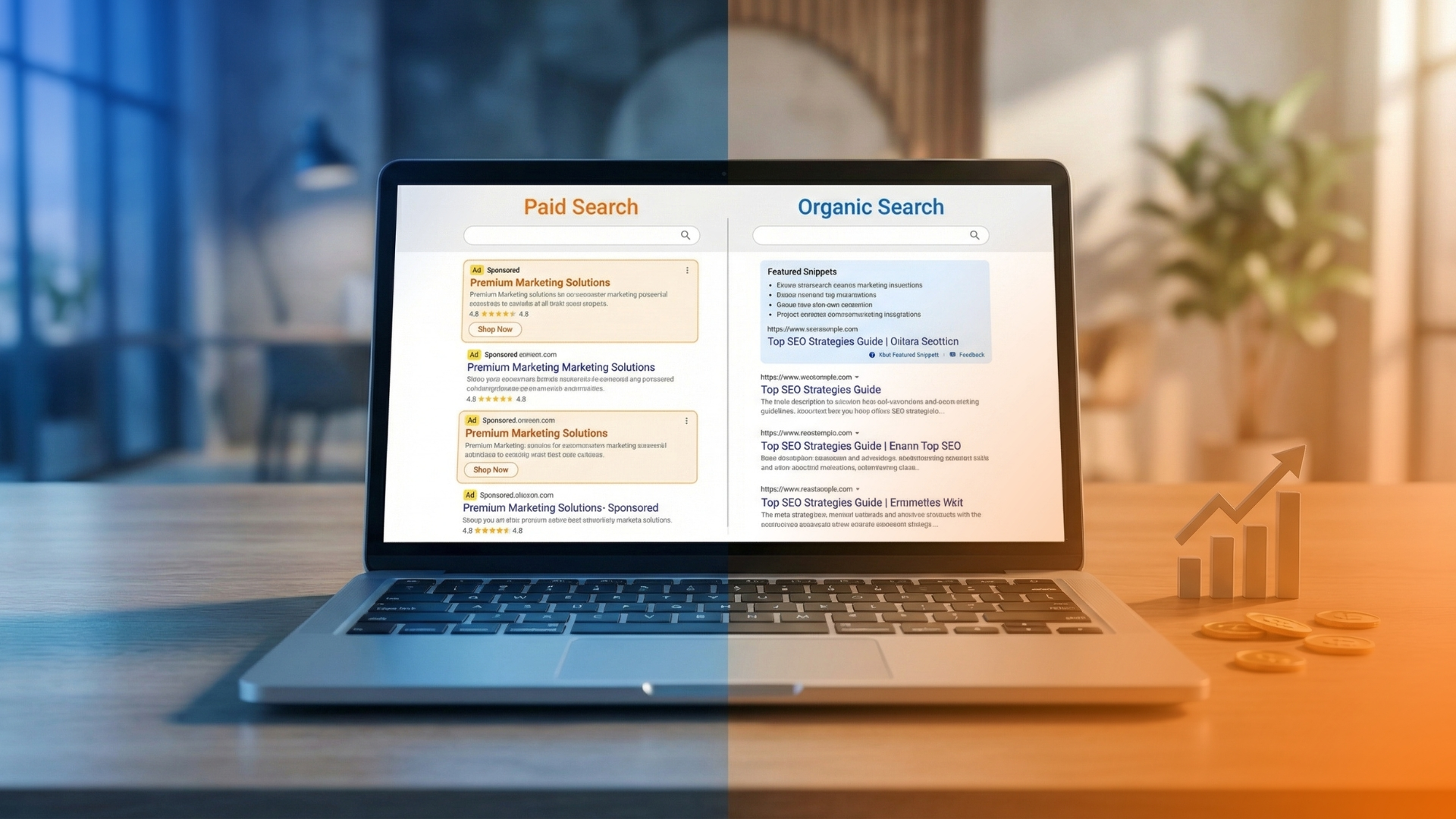
Paid search is when you pay to appear at the top of search results. These listings are marked as “Sponsored” or “Ad.” That’s how to differentiate between organic search results vs paid placements.
Paid search usually runs on a pay-per-click (PPC) model. You bid on keywords. When someone clicks your ad, you pay. That payment comes directly from your ad spend budget.
So if someone searches “buy collagen powder online” and the first result says “Sponsored,” that’s a simple organic search vs paid search example. That brand didn’t earn that position through SEO. They paid for it.
The biggest advantage of paid search is speed.
With paid search, you can launch a campaign today and start generating traffic immediately. That’s why brands focused on short-term growth or promotions rely heavily on it. Paid search is also more predictable in the short term because you’ll know your cost per click, your budget, and ideally your conversion rate.
Paid search can be great for high-intent keywords. You can target by location, device, audience behaviour, or even time of day. However, once you stop paying, traffic stops. There’s no long-term equity like SEO.
Paid Search vs Organic Search: Direct Comparison
When founders compare paid search vs organic search, they usually focus on cost. But it's much more than that. It affects speed, positioning, credibility, targeting, and long-term ROI.
Here’s a practical breakdown:
If you look at organic vs paid search statistics, you’ll see that organic traffic drives a larger percentage of total website traffic over time. But paid search captures high-conversion intent faster.
Advantages of Paid Search
1. Immediate Visibility
With pay-per-click (PPC) campaigns, you can appear at the top of the search results the same day you launch. There’s no waiting period like with search engine optimisation.
If you need traffic now for a product launch, seasonal sale, or a limited-time offer, paid search gives you speed.
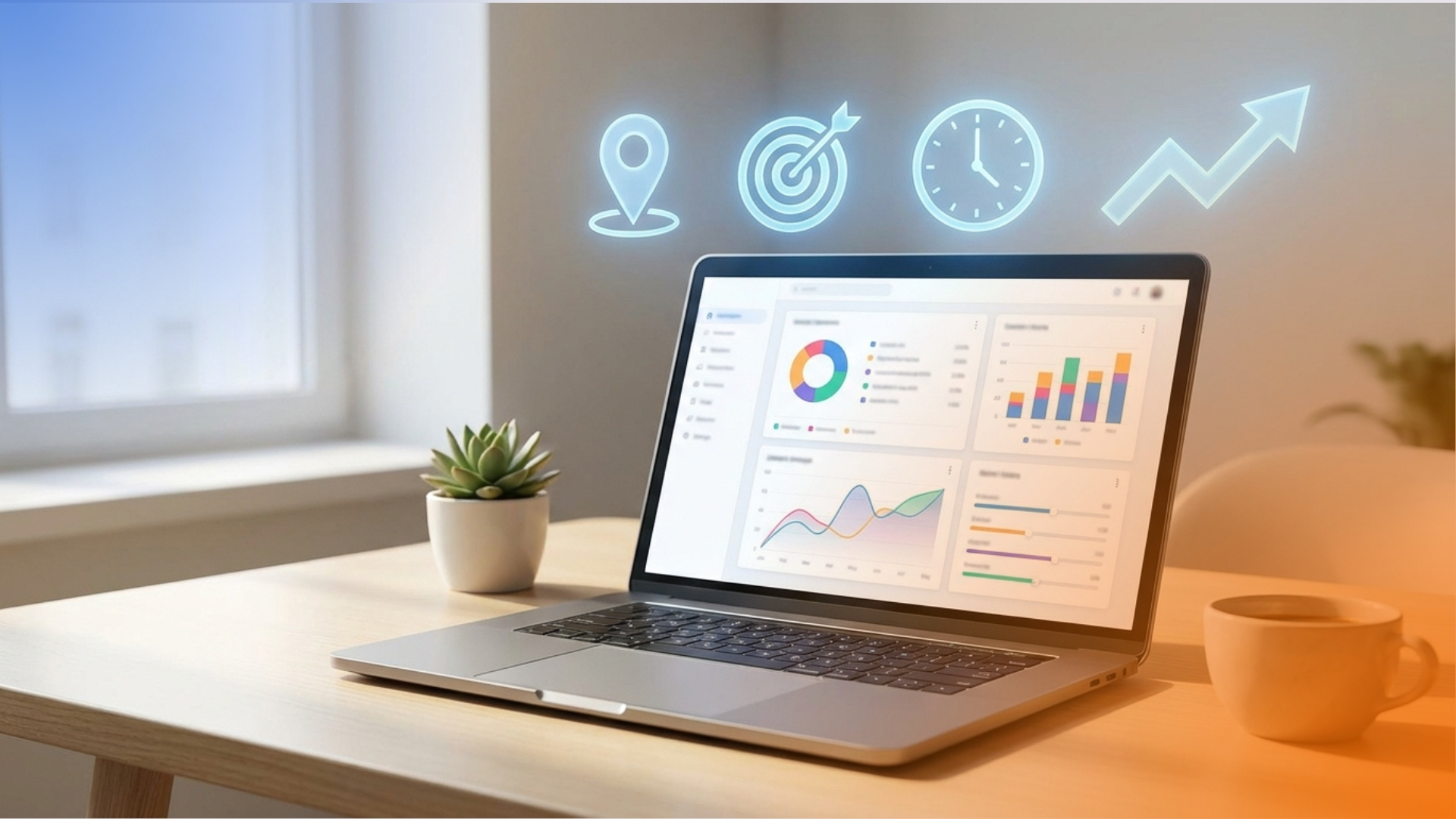
2. Precise Targeting
Paid search allows you to control:
- Location
- Device (mobile vs desktop)
- Time of day
- Audience behavior
- Demographics
That level of targeting is something organic traffic cannot give you. It makes paid campaigns good for high-intent lead generation strategies.
3. Predictable Scaling
When campaigns are optimised properly, you can scale traffic by increasing your ad spend.
If your:
- Cost per click is profitable
- Landing page has a strong conversion rate
- And your margins support it
You can increase your budget and grow revenue relatively quickly.
4. High Commercial Intent
Paid ads often capture bottom-of-funnel searches.
For example:
- “Buy collagen supplements online”
- “Best CRM software pricing”
These searches tend to have stronger buying intent and higher conversion rates than early-stage research queries.
5. Measurable Performance
Paid search gives you direct data on:
- Cost per click
- Click-through rate
- Conversion rate
- Return on ad spend
That makes it easier to test, optimise, and improve your performance quickly.
Disadvantages of Paid Search
1. It Stops When You Stop Paying
This is the biggest disadvantage in the organic search vs paid search pros and cons discussion.
Once your ad spend stops, traffic stops. There’s no compounding effect like with organic rankings.
2. Rising Costs
In competitive industries, cost per click can increase significantly. That affects your profitability and makes the cost of organic vs paid search an important long-term consideration.
3. Lower Trust for Some Users
Some users intentionally skip ads and scroll to organic listings.
Even if your ad has a strong click-through rate, it may not carry the same perceived credibility as a top organic result.
4. Constant Optimisation Required
Paid campaigns need ongoing monitoring:
- Bid adjustments
- Keyword refinement
- Negative keyword updates
- Ad copy testing
Without active management, your performance can drop quickly.
Advantages of Organic Search
1. Compounding Traffic Over Time
With good search engine optimisation, your content can rank for months or years. Unlike pay-per-click, you’re not paying for every visit. Instead, your traffic builds on itself.
2. Lower Long-Term Cost
There’s no ongoing ad spend per click in organic search. Once your rankings stabilise, your cost per acquisition can drop significantly.
3. Higher Trust & Credibility
Many users skip ads and go straight to organic listings. This can lead to higher click-through rates for well-ranked pages, especially for research-driven searches.
4. Broad Keyword Coverage
One optimised page can rank for dozens or even hundreds of related queries. That makes organic good for long-term visibility and content-driven lead generation.
5. Stronger Brand Authority
When your brand consistently appears in search results, you build recognition. Over time, that improves your overall engagement and even boosts your performance across other channels.
Disadvantages of Organic Search
1. Slow to Produce Results
SEO takes time. Ranking for competitive keywords can take months. If you need traffic immediately, organic search alone won’t help.
2. Algorithm Risk
Google updates its algorithm frequently. If your content doesn’t meet evolving quality standards, your rankings can drop.
3. High Competition
Since most users never go beyond page one, everyone is competing for limited space. Breaking into top positions requires strong content and technical execution.
4. Limited Targeting Control
Unlike paid ads, you can’t choose exactly who sees your organic listing. You rely on intent matching rather than precise audience filters.
5. Ongoing Maintenance
SEO isn’t “set it and forget it.” Content updates, technical fixes, internal linking, and optimisation are required to maintain your rankings.
When to Use Organic Search
Organic search works when you’re thinking long term. Use organic search when:
- You want sustainable growth: Strong search engine optimisation builds traffic that compounds over time. Once you rank, you can generate consistent visitors without paying per click.
- You’re building authority in your niche: Educational content, buying guides, comparison pages, these position your brand as the expert. This strengthens trust and improves your overall click-through rate in competitive searches.
- You want lower long-term acquisition costs: While SEO requires upfront investment, it reduces your dependency on ongoing ad spend. Over time, the cost per acquisition can fall below that of paid campaigns.
- You’re targeting informational or mid-funnel searches: Organic content supports longer buying journeys and nurtures potential customers before they’re ready to purchase.
- You want traffic that continues even if your budget is tight: Unlike pay-per-click, organic traffic doesn’t disappear when spending stops.
When to Use Paid Search
Paid search works when speed and control matter to you. Use paid search when:
- You need immediate visibility: With pay-per-click, your brand can appear at the top of search results as soon as campaigns go live. This is ideal for product launches, promotions, or time-sensitive offers.
- You want to test demand quickly: Before committing to long-term search engine optimisation, paid campaigns allow you to measure interest. You can track click-through rate, conversion rate, and cost per acquisition to validate that a keyword or offer is worth scaling.
- You’re targeting high-intent buyers: Searches that include words like “buy,” “order,” or “pricing” convert faster. Paid search helps you capture bottom-of-funnel traffic when intent is high.
- You need precise targeting control: Paid campaigns allow you to target by location, device, audience behaviour, and time of day. Organic listings cannot offer that level of precision.
- You want predictable scaling: If your numbers work, cost per click, average order value, and margins, increasing ad spend can increase your traffic and revenue in a controlled way.
- You’re competing in a highly saturated niche: If ranking organically will take too long, paid search gives you visibility while your long-term SEO strategy develops.
Paid search delivers speed, data, and control. It works best when your tracking is good, your landing pages are optimised, and your profitability is visible.
The Hybrid Approach: Combining Paid and Organic Search
Organic builds long-term authority. Paid drives immediate traffic. When you use both together, you create short-term cash flow and long-term stability at the same time.
How the Hybrid Model Works
1. Use Paid to Test, Organic to Scale
Launch a pay-per-click campaign around a new product or keyword. Look at:
- Click-through rate
- Conversion rate
- Cost per acquisition
- Revenue per click
If the numbers work, you now know that keyword has buying intent. Then you build long-term search engine optimisation content around it.
2. Dominate More Real Estate on Page One
When you appear in both ad placements and organic listings, you increase your visibility.
Even if someone skips your ads, they still see your brand organically. This improves your recall and total click-through rate across the page.
3. Use Organic for Top Funnel, Paid for Bottom Funnel
Organic content works well for:
- Educational content
- Comparison guides
- “Best” lists
- Problem-based searches
Paid works well for:
- High-intent “buy now” keywords
- Retargeting
- Branded searches
- Promotional campaigns
This structure improves your full-funnel conversion rate, not just traffic volume.
4. Reduce Long-Term Acquisition Costs
At the beginning, you may rely heavily on ad spend.
Over time, as organic rankings improve, you can reduce dependency on paid traffic for certain keywords. This balances your organic search vs paid search cost structure.
However, if you rely only on paid search, you’re exposed to rising costs. And if you rely only on organic search, your growth will be slow and unpredictable.
The hybrid approach gives you:
- Immediate visibility
- Data-driven decision making
- Compounding traffic
- Risk diversification
Wrapping Up
Organic search builds authority, trust, and long-term traffic through good search engine optimisation. It compounds over time and lowers acquisition costs once your rankings stabilise. But it requires patience and consistent execution.
On the other hand, paid search allows you to capture high-intent traffic immediately, test offers quickly, and scale through structured ad spend. But once spending stops, your visibility stops too.
If you’re building long-term brand equity, organic search should be a priority. If you need immediate traction or data, use paid search.
FAQs
1. What is the main difference between paid and organic search?
The main difference in paid search vs organic search is how you earn visibility. Organic search results appear because of good search engine optimisation, relevance, authority, and content quality. Paid search placements appear because you’re running a pay-per-click campaign and funding it through ad spend.
2. Which is better: paid or organic search?
Neither is universally better. It depends on your goal.
If you want long-term traffic and lower acquisition costs, organic search is the stronger option. If you need immediate visibility, testing speed, or fast lead generation, paid search works better.
3. What is an example of organic search?
If someone searches “best project management software” and clicks a non-sponsored blog post ranking naturally on Google, that’s organic search.
That ranking exists because of effective search engine optimisation, not because the brand paid for placement.
4. What is an example of a paid search?
If someone searches “buy protein powder online” and clicks a result labelled “Sponsored” at the top of the page, that’s a paid search ad.
That visibility comes from a pay-per-click campaign funded by the company’s ad spend.
5. Is organic search really free?
Organic search doesn’t charge per click, but it’s not free.
You still invest in:
- Content creation
- SEO tools
- Technical optimization
- Strategy and maintenance
Organic search is more cost-effective in the long term, but it requires an upfront investment.
6. Is paid search going away?
No. Paid search continues to evolve, especially with AI-driven targeting and automation.
As long as businesses want immediate visibility and measurable results, pay-per-click advertising will remain relevant.
7. What does a paid search ad look like?
A paid search ad typically appears at the top of Google results and is marked with a small label such as “Sponsored” or “Ad.”
It usually includes:
- A headline
- A display URL
- A short description
- Sometimes extensions like phone numbers, site links, or pricing
8. Do paid ads help organic rankings?
Paid ads do not directly improve organic rankings. Google separates paid advertising from organic search algorithms.
However, paid campaigns can indirectly support SEO by:
- Increasing brand awareness
- Driving traffic that leads to backlinks
- Helping you identify high-performing keywords

.svg)
.avif)

.svg)